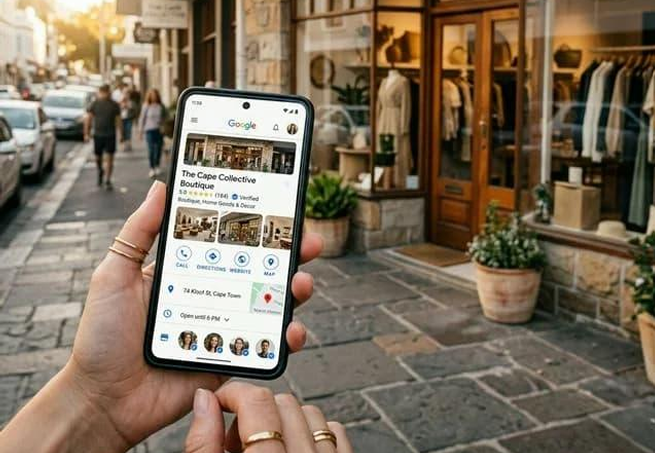
Picture this: someone hears about your business from a friend, or spots your shop while driving through the neighborhood. Their first move isn't to call you or walk in — it's to pull out their phone and search your name. If nothing comes up, or all they find is an outdated Facebook page from 2019, they don't dig deeper. They move on to the next result: a competitor's website.
That moment happens dozens, maybe hundreds, of times a month for businesses without a website. And most owners never see it happen — which is exactly why it's so easy to underestimate.
Not having a website isn't a neutral choice. It's a monthly cost, even if it never shows up on an invoice.
Why It's Costing You More Than You Think
1. You're Invisible at the Exact Moment People Are Ready to Buy
Search is where buying decisions get made. Someone typing "plumber near me" or "best bakery in [city]" isn't browsing; they're ready to act. Without a website, you're simply not in that conversation. Google can't recommend a business it can't find, and neither can the customer.
 Local Search Visibility
2. You're Handing Business Straight to Competitors
Every search that doesn't lead to you leads to someone else. If two businesses offer the same service and only one has a professional website, that one wins the click, the call, and usually the sale — regardless of who actually does better work. A missing website doesn't just mean lost visibility; it means actively funding your competitor's growth with your potential customers.
3. Social Media Alone Doesn't Cut It
A lot of business owners assume an Instagram page is "good enough." It isn't. Social platforms are rented and you don't control the algorithm, the layout, or whether people even see your posts. A website is the one digital asset you fully own, and it's often the first thing people check to see if a business is legitimate before they'll trust a social page at all.
4. You Lose Credibility Before You Even Get a Chance
Fair or not, people judge trustworthiness fast. No website — or a broken, outdated one — quietly signals that a business might be small, inactive, or unreliable, even if the opposite is true. That perception costs you customers who never even reach out to find out otherwise.
5. You're Paying for Marketing With Nowhere to Send It
Running ads, doing outreach, or getting press mentions with no website is like advertising a store with no address. Every marketing dollar needs somewhere to convert — a place to capture the lead, show proof of work, and close the sale. Without that landing point, a huge share of marketing spend simply evaporates.
What This Actually Costs, Month After Month
It helps to break "invisible losses" into things you can actually picture:
- Missed local searches: every month, a predictable number of people search for your service in your area. If you're not indexed anywhere, that volume never converts, and it compounds every month you go without one.
- Lower conversion on the leads you do get: even referrals will often check for a website before calling. No website, no confirmation, no call.
- Wasted ad and outreach spend: clicks and interest that have nowhere to land.
- Lost repeat and referral business: no easy way for existing customers to share you with others.
- Higher cost to fix later: a business that grows without a digital foundation eventually has to rebuild everything at once, under pressure, rather than steadily over time.
None of these show up as a single line item. They show up as "leads feel slower than they should be" — and that feeling is usually correct.
 Business Growth Curve
A Website Doesn't Need to Be Complicated to Work
This is where a lot of business owners get stuck. They picture an expensive, months-long project and put it off indefinitely. In reality, an effective small business website needs far less than people assume:
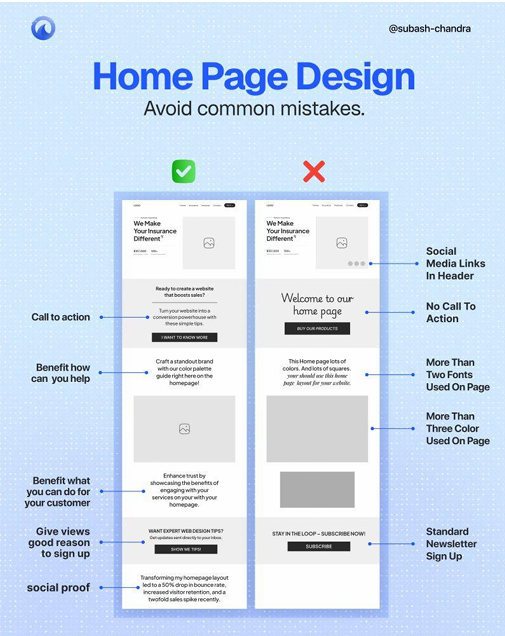
- A clear homepage: that says what you do, who it's for, and how to contact you in under five seconds of reading.
- Local SEO basics: so you actually show up when people search for your service nearby.
- A simple way to convert: a contact form, click-to-call button, or booking link, not a maze.
- Mobile-first design: since most local searches happen on a phone.
- Proof of credibility: reviews, past work, or simple trust signals that answer "can I trust this business?"
You don't need fifty pages. You need the handful of pages that actually move someone from searching to contacting you.
Why the Urgency Is Only Increasing
This isn't just a "someday" project anymore. Search behavior itself is shifting — AI-powered search tools are increasingly answering questions directly, pulling from businesses that already have a clear, structured web presence. Businesses without a website aren't just missing out on today's searches; they're at risk of being left out of how customers find businesses at all going forward.
The businesses building their digital foundation now are the ones AI and search engines alike will keep recommending. The ones waiting are starting further behind every month that passes.
How Zaptal Can Help
At Zaptal, we build websites for local businesses and startups that are designed to do one job well: turn searches into customers. We don't just hand you a website and disappear — as a full digital agency with teams in Denver and Dubai, we can pair that website with the pieces that actually make it work over time: local SEO, social media management, lead generation, and AI-driven automation that follows up with leads before your competitors even see them.
If you've been putting off getting a website because it feels like a big project, let's talk. Most of the time, it's a much smaller lift than you think — and every month without one is a month of business quietly going somewhere else.
FAQs
Do I really need a website if I already get customers through word of mouth?
Yes, word of mouth referrals still check online before contacting a business. A missing or outdated website can quietly cancel out a referral before it ever reaches you.
Isn't a Facebook or Instagram page enough?
Social pages help, but you don't control them, and many customers still expect a proper website to confirm legitimacy. The two work best together, not as substitutes for each other.
How long does it take to get a basic business website live?
A focused, well-built small business site can go live far faster than most owners expect; it doesn't require a massive multi-month build to start working for you.
What's the single biggest mistake businesses make with their website?
Treating it as a one-time task instead of a growing asset. A website that isn't maintained, optimized, or connected to marketing efforts underperforms compared to one that's actively managed.
Written by
Tayyaba Ahmed